



















**Agartala, October 6:** Tripura is working on a comprehensive biodiversity strategy to protect its natural wealth and promote sustainable use of biological resources while accommodating the state’s development needs, Forest Minister Animesh Debbarma said on Tuesday.

The minister said the proposed Tripura Biodiversity Strategy and Action Plan (SBSAP) would provide a long-term framework for conservation and help integrate environmental concerns into development planning.
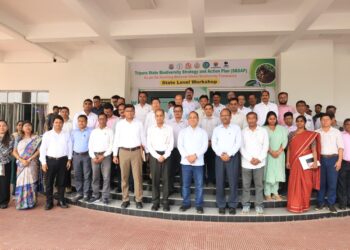
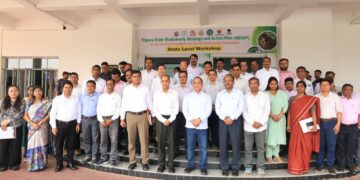
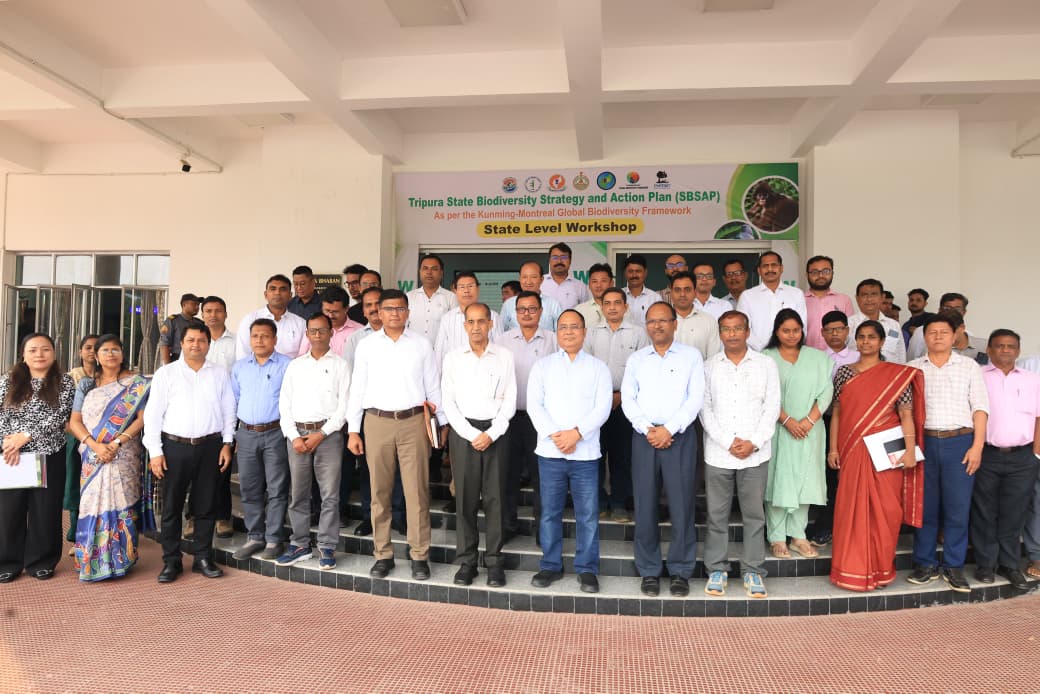
Debbarma was speaking after inaugurating a state-level consultation workshop on biodiversity conservation, protection and sustainable management at Pragna Bhaban here.
Organised by the Tripura Biodiversity Board, the workshop was attended by scientists, environmental experts, members of Biodiversity Management Committees (BMCs), representatives of local communities and other stakeholders.
The consultation is part of the process of finalising the SBSAP and seeks to incorporate scientific knowledge as well as experience from communities involved in managing natural resources at the local level.
Debbarma said the state’s forests, wildlife, rivers and water bodies formed an important part of its natural heritage and required sustained protection.
He stressed the need for people and nature to coexist while ensuring that developmental activities do not adversely affect the ecological balance.
“Conservation cannot be separated from the needs of local communities,” the minister said, calling for greater coordination among government departments, experts, scientific institutions and people at the grassroots.
He said the government wanted to further promote Tripura’s identity as a green state by encouraging responsible use of natural resources and strengthening biodiversity conservation measures.
The minister said suggestions received during the consultation would be examined while preparing the final strategy.
He also urged government officials to adopt innovative methods in dealing with environmental challenges and make greater use of pilot projects and locally appropriate solutions.
Routine administrative approaches, he said, should give way to initiatives that can produce practical and measurable results on the ground.
Debbarma asked BMCs and local communities to identify biodiversity-related problems in their areas and suggest solutions that could be implemented locally.
He assured stakeholders that innovative proposals and meaningful initiatives would be considered within the government’s policy framework.
Officials said the consultation would provide an opportunity to bring together scientific expertise, field-level experience and community knowledge before the action plan is finalised.
The SBSAP is expected to strengthen coordination among departments and stakeholders, promote sustainable management of biological resources and address emerging biodiversity concerns.
It will also provide a framework for balancing conservation priorities with development requirements and ensuring long-term environmental sustainability in Tripura, officials said.