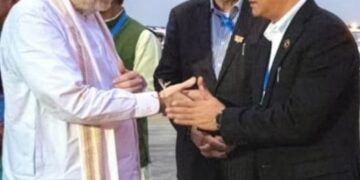


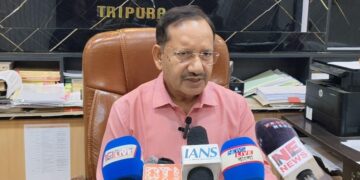















Dibrugarh, Nov 22 : Arunachal Pradesh Chief Minister Pema Khandu has urged residents of the Siang region to consider Union Home Minister Amit Shah’s appeal for dialogue on the proposed 11,200-MW Siang Upper Multipurpose Project (SUMP).

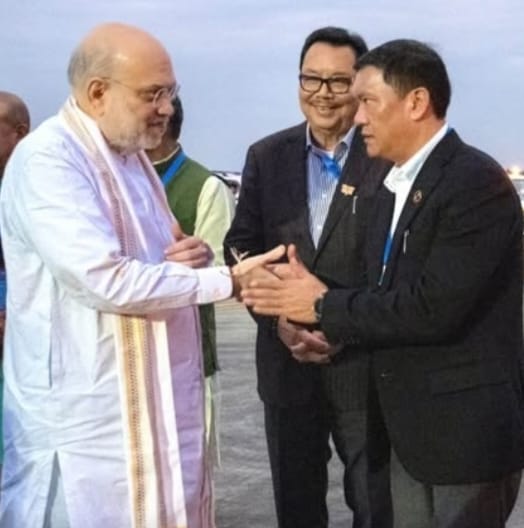
In a post on X, Khandu said Shah had assured that the Centre was ready for positive and constructive dialogue with the people of the Siang region on the proposed project.
The chief minister said the Union Home Minister had made it clear that the project would move forward only through dialogue and after taking local communities into confidence.
Shah had also assured that the traditions, culture and religious beliefs of the indigenous communities would be fully respected and protected, Khandu said, urging residents to listen to the Centre’s position.
However, anti-dam groups have expressed disappointment over the state government’s handling of the issue and alleged that their representatives were not invited to meet Shah during his recent visit.
The Siang Indigenous Farmers Forum (SIFF) and Adi Bane Kebang (United) said they were dissatisfied with the state government’s response to their requests for an appointment with the Union Home Minister.
Both organisations had earlier submitted formal applications to the state government seeking an opportunity to meet Shah and discuss concerns surrounding the proposed multipurpose project.
Delegations from the two organisations had also been camping in Itanagar, hoping to meet the Union minister, hold discussions or submit memorandums outlining their objections and concerns.
However, the groups alleged that the state government did not respond to their applications. Subsequently, members of the delegations left the state capital without getting an opportunity to meet Shah.
The proposed SUMP is a major hydropower and water management initiative planned in the Siang region of Arunachal Pradesh. It has faced opposition from sections of indigenous communities over concerns relating to land, displacement, environmental impact and the protection of their cultural and religious heritage.
The latest developments come amid efforts by the Centre and the state government to engage local communities and address concerns surrounding the proposed project.