
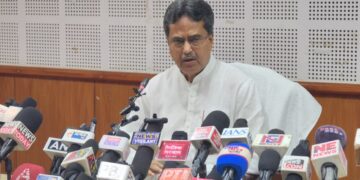

















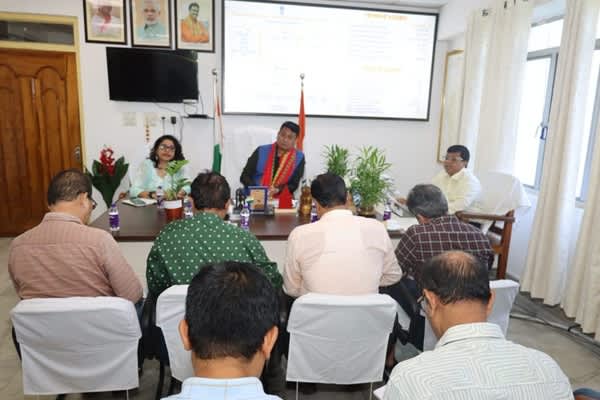
Agartala, Oct 14 : Tripura Tribal Welfare Minister Bikash Debbarma on Tuesday reviewed ongoing projects and developmental initiatives in the handloom, handicrafts and sericulture sectors, stressing timely implementation, effective monitoring and improved coordination to ensure benefits reach the intended beneficiaries.

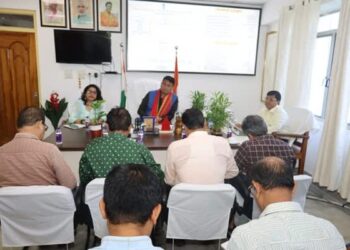
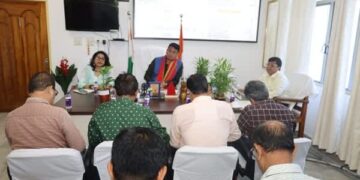
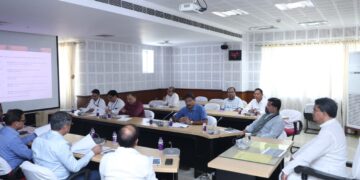
The review meeting was held at his chamber in the Civil Secretariat here and was attended by the Secretary, Director and senior officials of the Handloom, Handicrafts and Sericulture Department.
During the meeting, Debbarma assessed the progress of various developmental programmes being implemented across the state and discussed measures to improve their execution.
He examined the status of ongoing projects, took stock of challenges affecting their implementation and called for stronger coordination among departmental officials to ensure smooth and timely completion of the initiatives.
The minister emphasised that development programmes should be implemented within stipulated timelines and monitored regularly to achieve their intended objectives.
He directed officials to focus on ensuring that the benefits of government schemes reached weavers, artisans and other stakeholders at the grassroots level.
Debbarma also highlighted the importance of strengthening Tripura’s traditional handloom and handicrafts sectors, which provide livelihood opportunities to a significant section of the population, particularly in rural and tribal areas.
He stressed the need to promote these traditional industries through effective implementation of government schemes and coordinated efforts by the concerned departments.
The meeting also reviewed strategies to improve the implementation of departmental programmes and identify areas requiring greater attention to enhance their effectiveness.
Officials discussed measures to strengthen implementation mechanisms, improve monitoring systems and ensure better delivery of benefits to artisans and weavers across the state.
The minister underscored the need to translate developmental initiatives into tangible economic benefits for people associated with these traditional industries.
He reiterated the government’s commitment to supporting the handloom, handicrafts and sericulture sectors and promoting their growth through sustained efforts and effective execution of welfare programmes.
The review was aimed at evaluating the progress of ongoing initiatives and ensuring that departmental activities remained focused on improving the livelihoods and economic prospects of weavers, artisans and other beneficiaries.
Debbarma stressed that regular reviews, close monitoring and coordination among officials were essential to achieving the desired outcomes of various schemes and projects.
The meeting concluded with an emphasis on improving the implementation of ongoing initiatives and ensuring that the intended beneficiaries received the benefits of government programmes.