















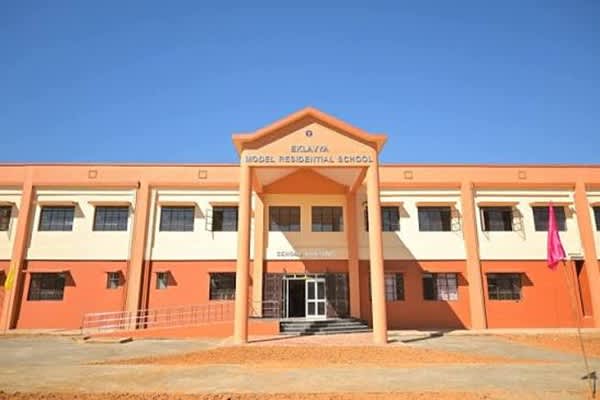
**Agartala, September 19:** Tripura is poised to expand its network of residential schools for tribal students, with six new Eklavya Model Residential Schools (EMRSs) likely to start functioning by November, officials said.

The new schools will take the number of operational EMRSs in the state from 12 to 18, widening access to residential and quality education for students from remote tribal areas.
Director of Tribal Welfare Subhasish Das said construction of all six campuses has been completed, barring some minor finishing work. The schools will become operational after the required staffing arrangements are completed, he said.
To address the immediate manpower requirement, the National Education Society for Tribal Students (NESTS), under the Union Ministry of Tribal Affairs, has approved temporary deployment of teaching and non-teaching personnel from existing EMRSs. Fresh recruitment will subsequently be undertaken to meet the full staffing requirements of the new institutions.
Das said the entrance examination for admission to the six schools has already been conducted. This will allow the schools to begin the admission process once the campuses are ready for operation.
Meanwhile, the state has received approval to involve construction agencies other than the Central Public Works Department (CPWD) in upcoming EMRS projects. Officials expect the move to provide greater flexibility and help reduce construction costs.
According to Das, CPWD has estimated the cost of an EMRS campus at more than Rs 70 crore, whereas NESTS has fixed an approved ceiling of Rs 50 crore per school. The Tripura Housing and Construction Board (THCB), however, has estimated that similar campuses could be constructed for around Rs 54 crore.
NESTS has already sanctioned Rs 100 crore for two additional EMRS campuses, with Rs 50 crore allocated to each. The proposed schools will come up at Mungiakami in Khowai district and Dasda in North Tripura district. If the construction cost exceeds the sanctioned amount, the additional expenditure will be borne by the Tripura government.
The expansion is expected to strengthen residential education facilities for tribal students, particularly those from remote and underserved areas. The EMRS network is aimed at providing students with structured academic environments, residential facilities and improved access to educational opportunities.
With the addition of the six campuses, Tripura’s tribal welfare authorities expect the expanded network to help address educational gaps and provide greater opportunities for tribal youth across the state.