




















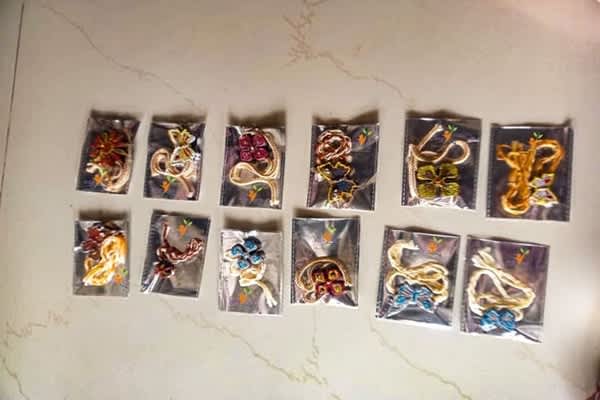
This Rakhi season in Tripura presented two contrasting pictures — one of innovation and sustainability, and another of declining traditional festive sales.

In Khowai, rural entrepreneur Lipi Bhowmik created around 300 eco-friendly rakhis using cow dung, offering a sustainable alternative to plastic-based products. Known for her jute crafts and innovative ideas, Lipi has turned creativity into an opportunity while promoting environmentally conscious practices.
Her initiative highlights the potential of rural entrepreneurship, particularly for women, by transforming locally available and discarded materials into useful and attractive festival products. The eco-friendly rakhis have also drawn appreciation for combining tradition with sustainability.
However, the festive mood was less encouraging for traditional rakhi traders in Agartala. Several sellers reported disappointing sales compared with previous years, despite keeping prices unchanged and stocking a wide variety of products.
Traders said children, who traditionally form a major part of the rakhi market, appeared less interested in shopping this year. They attributed the decline partly to the growing use of mobile phones among school-going youngsters.
One trader said nearly 200 varieties of rakhis were available, with prices starting at Rs 10, while Rs 20 rakhis continued to be sold at the same price. Despite this, customer footfall and sales remained sluggish. Another trader said sales were “extremely poor” despite stocking large quantities ahead of the festival.
Parents continued to purchase rakhis, but traders said the usual festive rush was largely missing from Agartala markets.
The contrasting trends underline changing consumer behaviour in Tripura. While Lipi’s initiative demonstrates the promise of sustainable, women-led entrepreneurship, traditional traders face the challenge of adapting to evolving lifestyles and shopping habits.
Observers believe eco-friendly products could gain wider acceptance, while traditional sellers may need new marketing approaches to reconnect with younger consumers.