














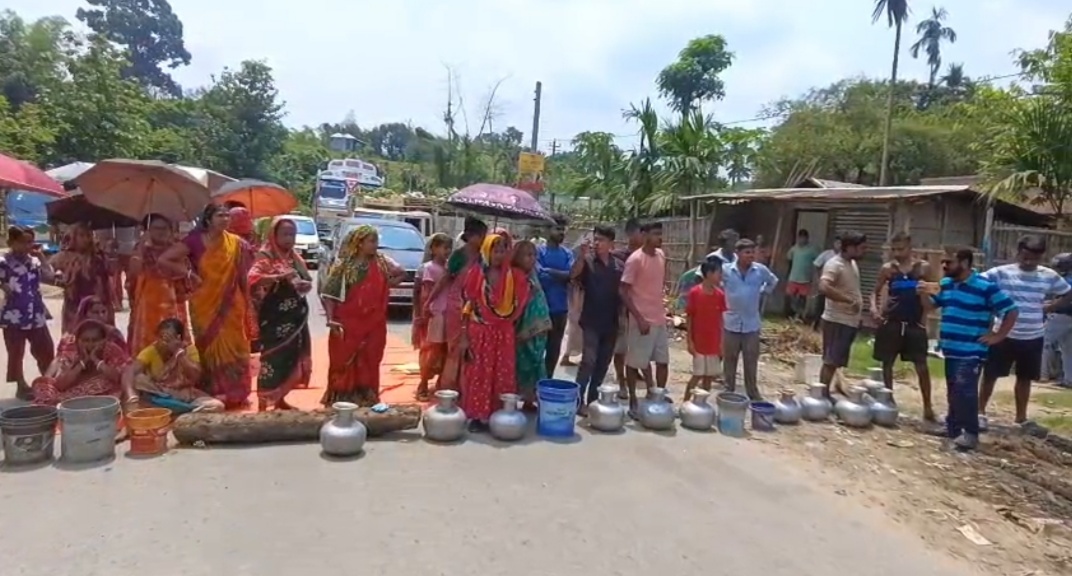
Agartala, May 11:Recurring protests over acute drinking water shortages are rapidly emerging as a major public concern across Tripura, with road blockades becoming an increasingly frequent form of agitation in several parts of the state.

On Monday alone, separate protests demanding regular drinking water supply disrupted normal vehicular movement in at least two districts were witnessed, exposing growing public frustration over the prolonged water crisis during the peak summer season.
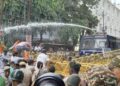
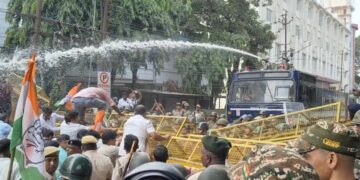
In one of the major incidents, residents of Chakmaghat East Bazar under Khowai district blocked the Assam-Agartala National Highway eight demanding drinking water and electricity supply.
The blockade continued for nearly three hours, leaving hundreds of vehicles stranded on both sides of the busy highway and causing immense hardship to passengers and daily commuters.
The agitation created massive traffic congestion on the vital road link connecting different parts of the state.
Police personnel along with officials from the sub-divisional administration and the Drinking Water and Sanitation (DWS) department rushed to the spot to bring the situation under control.
The blockade was eventually lifted after assurances from the administration.
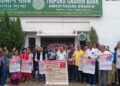
In another incident reported from Bondwar Chhatraifang area under Udaipur subdivision in Gomati district, local women mainly from the indigenous population staged a road blockade demanding immediate restoration of drinking water supply in the locality.
Protesters alleged that despite repeated complaints, residents have been suffering from irregular and inadequate water supply for a long time.
With soaring temperatures intensifying the crisis, angry residents blocked the main road, temporarily disrupting traffic movement in the area.
Officials of the DWS department and police later reached the protest site and assured the agitators of necessary measures, following which the blockade was withdrawn.
The repeated road blockades over drinking water shortages are increasingly becoming a regular phenomenon in Tripura, particularly during the summer months when many interior and semi-urban areas face severe scarcity of potable water. The crisis is often cause due to disruption in the pump used for water supply and power cutoff especially during the storm weather.
From national highways to interior roads, public protests over basic civic amenities are now frequently affecting transportation and normal public life.
The growing incidents have also raised concerns over the effectiveness of water distribution management and long-term infrastructure planning, as residents in several areas continue to complain of irregular supply despite repeated assurances from authorities.