


















Agartala, June 18:

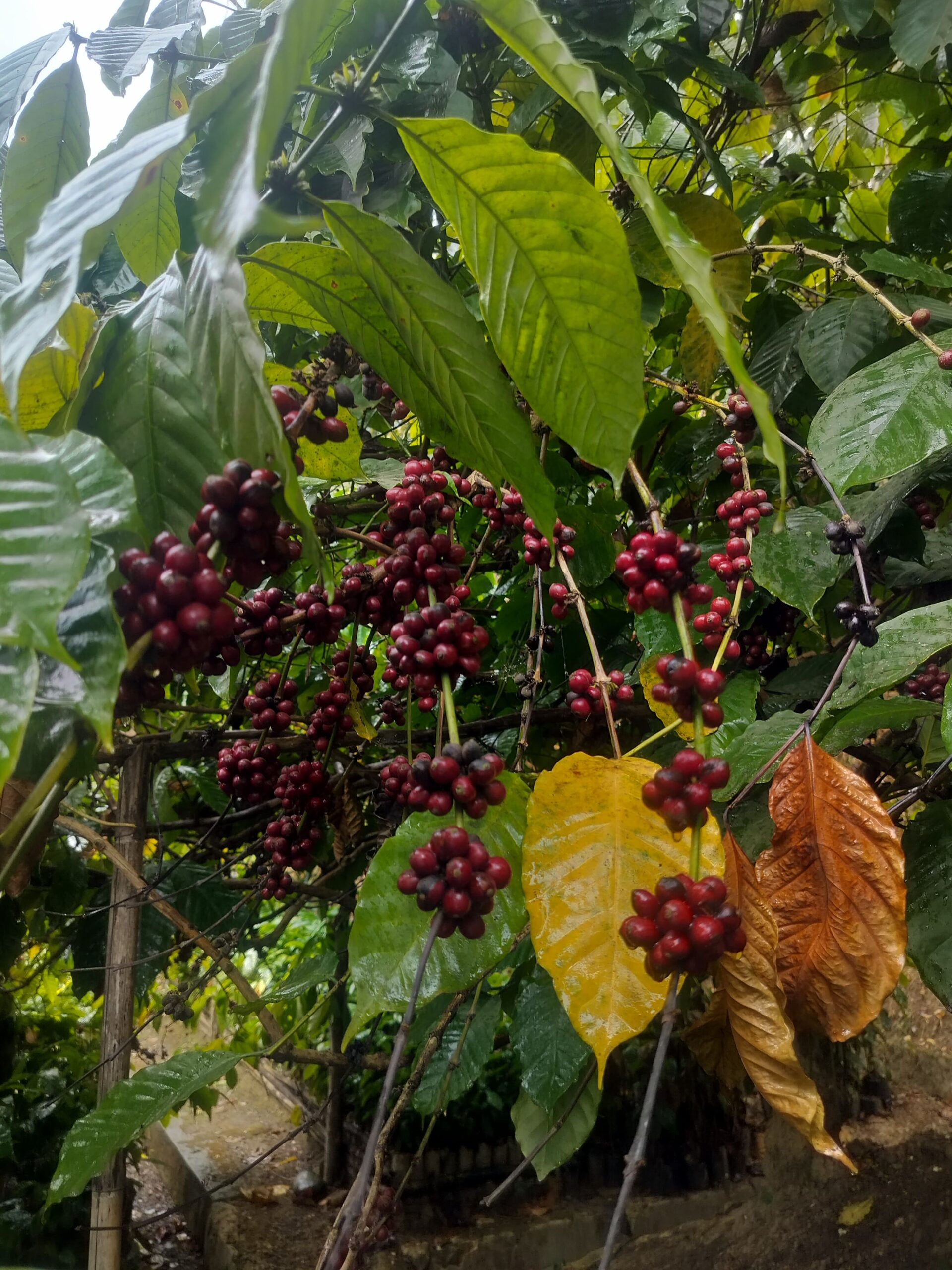
Nestled amid the rolling green slopes of Jampui Hills, known as the “Land of Eternal Spring” and the highest hill range of Tripura, coffee plants have quietly flourished for years. Today, those beans are beginning to tell a new story—one of entrepreneurship, value addition and growing recognition beyond the state’s borders.
At the recently concluded 2nd Tripura Reverse Buyer-Seller Meet in Agartala, visitors stopping by the stall of The Brown Gold Coffee found more than just a new beverage brand. They found the story of a hill community seeking to create its own identity in the coffee market.
The startup, founded by a second-generation coffee-growing family from Jampui Hills, was among the attractions at the event.
For local grower Lalnunchuangi and Ramnunsanga, the journey reflects years of effort by coffee farmers who until recently sold their produce as raw beans to traders from Meghalaya, Mizoram and other parts of the country.
“Our annual production is around 1.3 to 1.5 metric tonnes. Earlier, without roasting facilities, we had little option but to sell raw beans,” Ramnunsanga said.
The arrival of modern roasting equipment, however, has changed the equation. Instead of selling coffee beans at ₹230-250 per kilogram, growers now hope to earn significantly more through value-added products marketed under local brands.
Behind this transformation stands the Coffee Board of India, which has been nurturing coffee cultivation in Tripura for decades.
Jayanta Ghosh, Deputy Director of the Coffee Board, said the Board established its presence in the state back in 1985 and later began promoting coffee cultivation among small growers, particularly in Jampui Hills.
The region’s climate and elevation make it particularly suitable for Arabica coffee, while neighbouring areas of Unakoti district have seen encouraging results with Robusta varieties.
According to Ghosh, the Coffee Board has supported growers not only with planting materials and technical guidance but also with machinery for roasting, grinding and packaging. The objective is to help farmers move up the value chain and retain a greater share of the profits within the state.
That potential has not gone unnoticed by buyers.
Among those attending the Buyer-Seller Meet was Srinivas Reddy, who operates a coffee roasting unit and café in Guwahati. Having visited coffee farms in both Jampui Hills and Unakoti, he believes Tripura has the ingredients needed to enter the specialty coffee segment.
“What stands out is the natural way the coffee is grown,” Reddy said. “There is tremendous potential here.”
His company has already procured around 1.5 tonnes of coffee from Tripura and is working with farmers to improve post-harvest processing techniques that can further enhance quality and market value.
For Tripura Industries and Commerce Minister Santana Chakma, whose constituency includes Jampui Hills, the growing attention around the state’s coffee sector is a matter of pride.
She said the Buyer-Seller Meet has provided a valuable platform for local producers to showcase their products and establish direct market linkages.
Known nationally for its GI-tagged Queen Pineapple and increasingly for its tea, Tripura is now gradually adding coffee to its list of distinctive agricultural products. The emergence of local brands such as Brown Gold Coffee and Heritage Tripura signals a shift from merely producing coffee to building a coffee economy.
For now, the coffee plants continue to grow quietly on the misty hills of northern Tripura. But with support from institutions, interest from buyers and determination among farmers, the aroma rising from Jampui Hills is beginning to travel much farther than before.