














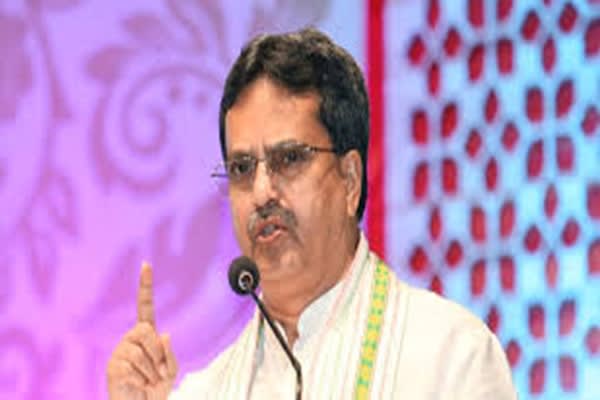
Tripura Chief Minister Prof. Dr. Manik Saha on Thursday sought to reassure party workers and supporters that the outcome of the recent Tripura Tribal Areas Autonomous District Council (TTAADC) elections would not impact the BJP’s prospects in the 2028 Assembly polls.

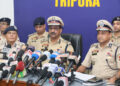
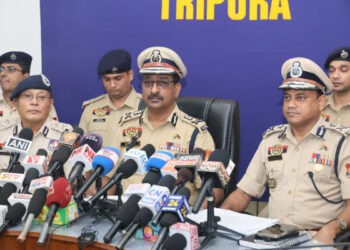
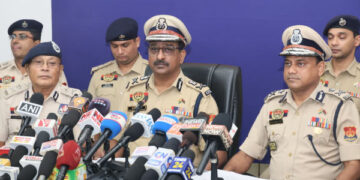
Addressing a press conference at the BJP state headquarters, Saha described the council elections as a local body exercise and urged party cadres not to read too much into the results. He maintained that there was “nothing to worry about,” emphasizing that the BJP had chosen to contest independently as part of a broader political experiment aimed at reducing dependence on regional allies.
While acknowledging that the party secured only four out of the 28 seats, Saha pointed to a significant improvement in the BJP’s vote share. According to him, the party’s vote share rose from 18.72% in 2021 to 28.95% in 2026, with total votes more than doubling to 2.18 lakh. He admitted that the performance was “not satisfactory,” but stressed that it should not be seen as a setback to the party’s long-term goals.
“The increase in vote share shows that our organizational base is expanding steadily. We have reached interior villages and connected with more people. We are committed to strengthening this further,” he said.
Saha also highlighted the broader political landscape, noting that the CPI(M) failed to win any seat in the council polls. He added that the Indigenous Peoples Front of Tripura’s support base appears to have shifted largely to Tipra Motha, which dominated the elections by winning 24 seats and securing over 54% of the vote share.
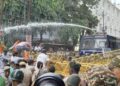
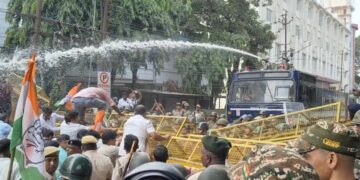
On the issue of post-poll violence, the Chief Minister strongly condemned the incidents, calling political violence a “cancer” that weakens democratic values. He defended the state government’s decision to release ₹64.50 lakh from the Chief Minister’s Relief Fund to assist victims, emphasizing that aid was provided without regard to political affiliation.
Saha further alleged that the violence was pre-planned to intimidate voters and discourage support for a national party, asserting that people ultimately recognize the BJP as a driver of development in the region.