















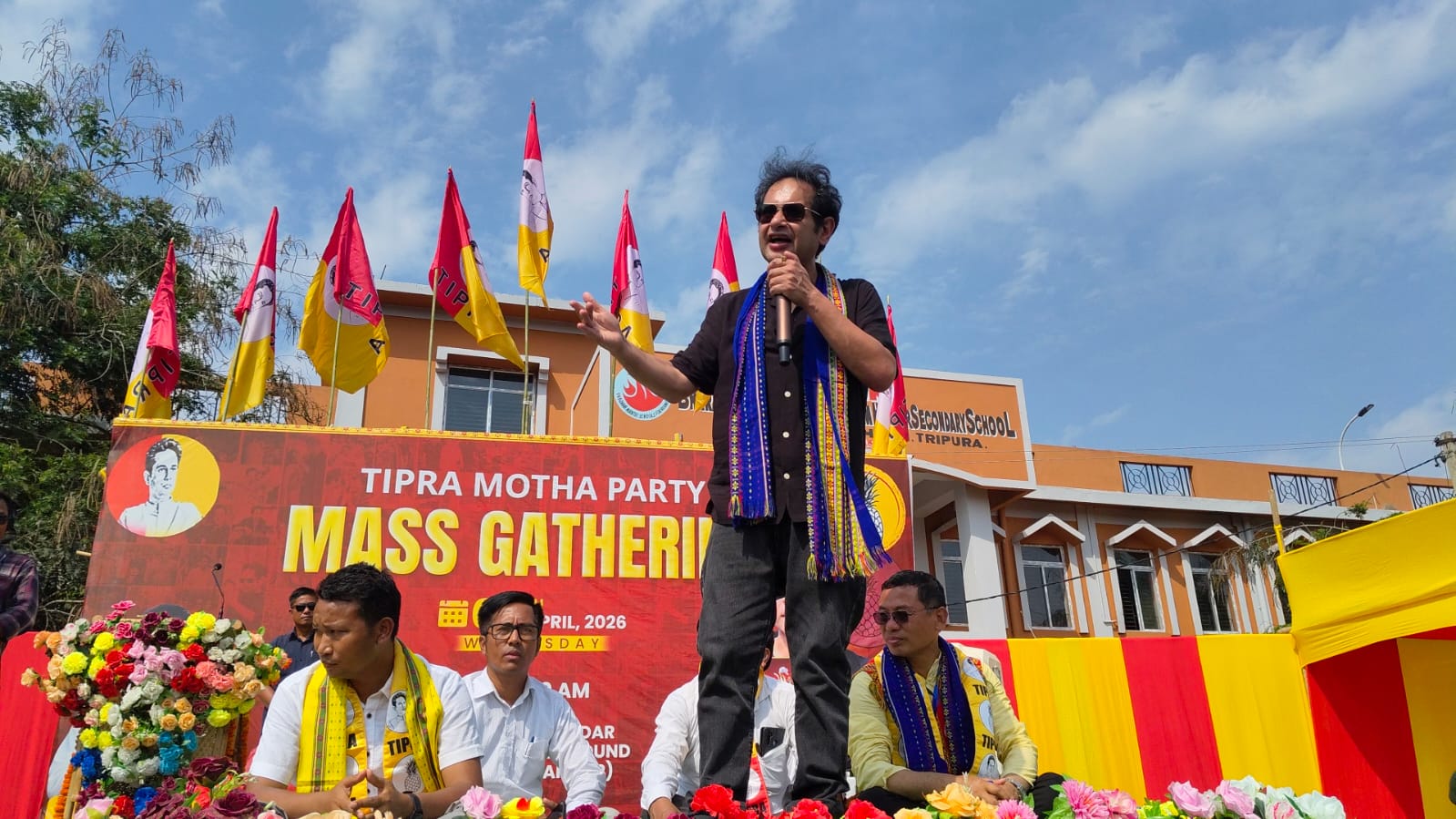
Agartala, April 8: With just four days left for the crucial Tripura Tribal Areas Autonomous District Council (TTAADC) elections, the political atmosphere across the ADC regions has reached a fever pitch. The ruling ally BJP and the influential regional force TIPRA Motha Party are leaving no stone unturned in their high-decibel campaigns, each vying to secure control of the politically significant tribal council.

Amid the crescendo of rallies, roadshows and sharp political exchanges marked by allegations and counter-allegations, this correspondent from North East Live travelled across several TTAADC areas to gauge the pulse of the electorate—cutting through political rhetoric to understand the real concerns shaping voter choices on the ground. What emerges is a complex and layered narrative.
Across a cross-section of indigenous communities, there is a palpable undercurrent of dissatisfaction over what many describe as a persistent development deficit.
A significant number of voters pointed out that despite repeated assurances over the years, large parts of the ADC areas continue to grapple with inadequate infrastructure and limited economic opportunities.
“Development has not reached us in the way it was promised,” said a voter in a remote ADC village, echoing a sentiment widely shared during these interactions.
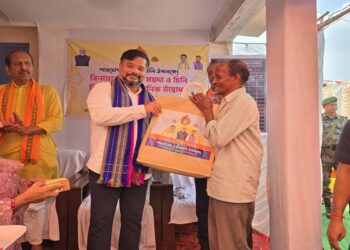
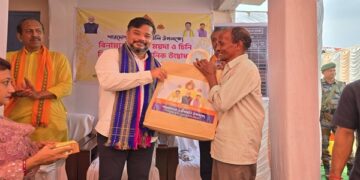
While some beneficiaries acknowledged receiving support under various government welfare schemes, the broader concerns remain entrenched.
Access to safe drinking water, reliable irrigation facilities, all-weather roads, and sustainable employment opportunities continue to be pressing challenges for many households in the region.
Yet, beyond infrastructure and livelihood issues, a deeply sensitive cultural and political question continues to resonate strongly among the electorate—the demand for adoption of Roman script for the Kokborok language. For many indigenous voters, this is not merely a linguistic preference but a matter tied to identity, recognition, long-standing aspirations and for better future of the next generation.
“The Roman script for Kokborok language issue is necessity for us,” noted another voter, underlining how cultural concerns are intersecting with electoral politics in this cycle.
As campaigning intensifies, both BJP and TIPRA Motha leaders are aggressively reaching out to voters, projecting their respective visions for governance and development in the ADC areas. The contest is widely seen as a decisive battle for political influence in the tribal belt, with high stakes for both sides.
However, beyond the noise of political messaging, the electorate appears to be weighing its options carefully—balancing expectations of development with concerns of identity and representation.
While the campaigns may dominate headlines in the days leading up to polling, the definitive verdict will rest with the voters. What ultimately shapes the outcome of this closely watched contest will only become clear on counting day, April 17.