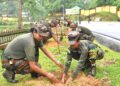


















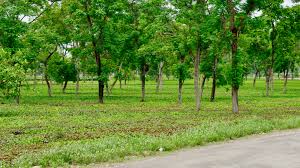
The theme of International Day of Forests 2026—“Forests and Economies”, led by the Food and Agriculture Organization—underscores a vital truth: forests are not just ecological assets but engines of sustainable growth. They support livelihoods, strengthen rural incomes, and provide critical ecosystem services such as water security, climate regulation, and biodiversity conservation.

In Tripura, forests are central to rural and tribal economies. The State’s biodiversity—ranging from bamboo and medicinal plants to wild foods—supports the livelihoods of its 19 tribal communities. This relationship is rooted in generations of traditional knowledge, linking conservation with economic sustenance.
Non-Timber Forest Produce (NTFPs) form a major income source, contributing nearly 22% to household earnings in forest-dependent communities. In 2021–22, NTFPs worth about ₹68 crore were traded, with bamboo and broom grass accounting for a significant share. Broom grass (*Thysanolaena maxima*) alone supports around 20,000 people, offering seasonal and supplementary income, while bamboo sustains artisans and local industries.
Other resources like agarwood (*Aquilaria malaccensis*) and indigenous rice varieties such as Maimi and Kalijira highlight the State’s rich bioeconomic potential. However, these assets face threats from changing land use and limited value addition.
Despite strong potential, forest-based livelihoods remain largely subsistence-driven due to weak market linkages and limited processing capacity. Transforming this into a value-driven bioeconomy requires sustainable harvesting, improved market access, and stronger value chains.
Community institutions like Self-Help Groups, Joint Forest Management Committees, and Biodiversity Management Committees can drive this shift. Integrating traditional knowledge with scientific practices can further unlock opportunities in herbal products and nature-based enterprises.
As Tripura builds resilience against climate change, forests must remain central to development planning—ensuring ecological security alongside inclusive economic growth.